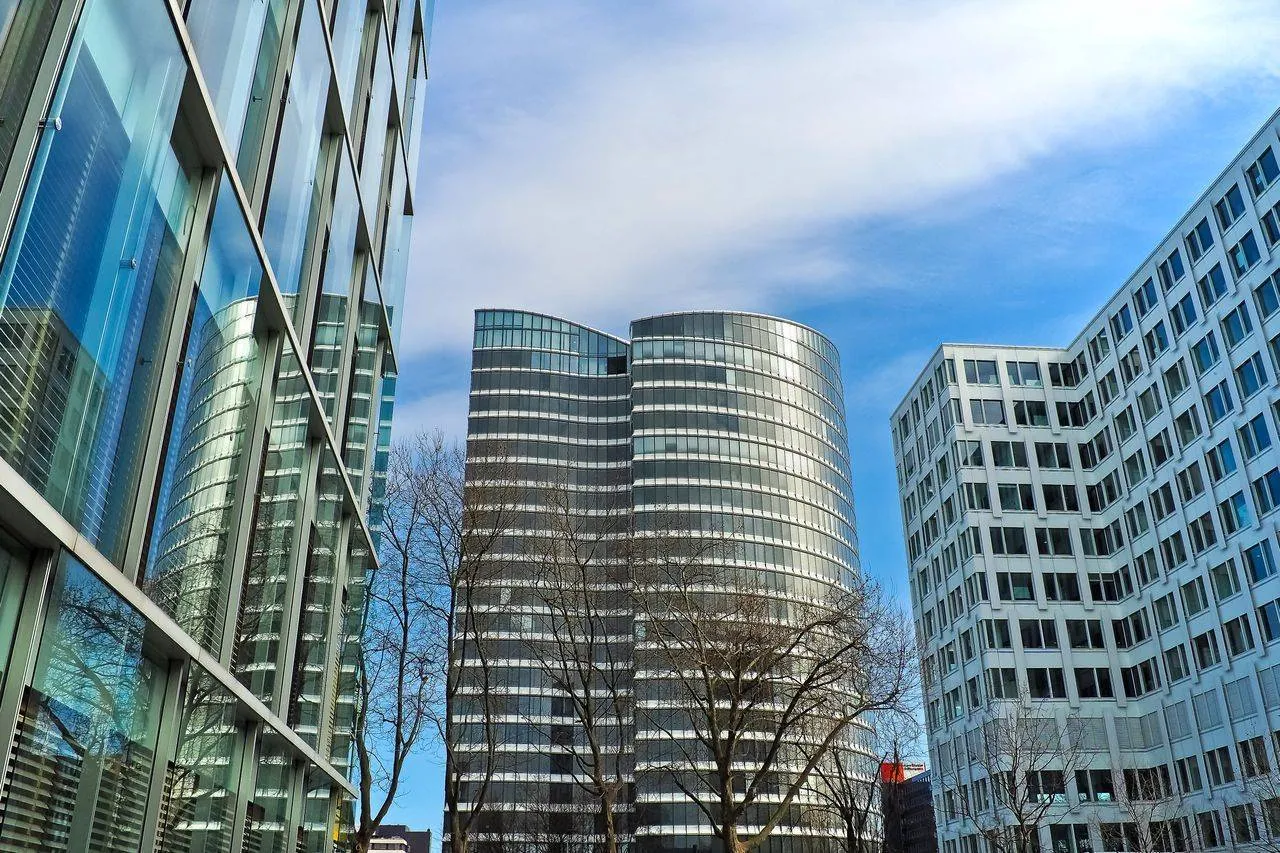
Dream Homes Reimagined: Where Architecture Meets Artistry

# Dream Homes Reimagined: Where Architecture Meets Artistry
Introduction
Imagine stepping into a space where every corner tells a story, where walls breathe with creativity, and where living transcends the ordinary. This is the realm of dream homes reimagined—where architecture and artistry converge to craft spaces that are not just functional but emotionally resonant. Gone are the days when homes were merely shelters; today, they are canvases for innovation, personal expression, and architectural grandeur. This article explores how visionary architects and designers are pushing boundaries to create homes that are as much a work of art as they are a place to live.
The Evolution of Dream Homes
Dream homes have always been a reflection of human aspiration, evolving alongside cultural, technological, and artistic shifts. In the early 20th century, the Bauhaus movement introduced minimalism and functionality, while mid-century modernism embraced open spaces and natural light. Today, the definition of a dream home has expanded to include sustainability, smart technology, and bespoke artistic elements. Architects and designers are now collaborating with artists, sculptors, and even digital creators to infuse homes with a sense of wonder and individuality.
This transformation is also fueled by a growing desire for personalization. Homeowners no longer settle for cookie-cutter designs; they seek spaces that reflect their identities, passions, and lifestyles. Whether it’s a floating home that challenges traditional foundations or a villa that doubles as an art gallery, the modern dream home is a testament to creativity and ingenuity.
Architectural Masterpieces That Redefine Living
Some dream homes are so extraordinary that they blur the line between architecture and art. These structures are not just built; they are conceived as living sculptures, each with its own narrative. Below are a few standout examples that showcase the marriage of architecture and artistry.
1. The Lotus Temple (New Delhi, India)
A marvel of modern architecture, the Lotus Temple is a Bahá’í House of Worship designed by Iranian architect Fariborz Sahba. Its petal-like structures and flowing forms create an ethereal presence, making it a spiritual and visual sanctuary. While not a residential space, its influence on organic architecture is undeniable, inspiring homes that mimic natural forms and rhythms.
2. The Dancing House (Prague, Czech Republic)
Designed by Frank Gehry and Vlado Milunić, the Dancing House is a deconstructivist masterpiece that challenges conventional aesthetics. Its undulating lines and dynamic forms evoke movement, proving that a home can be both a functional space and a work of art. The building’s nickname, “Fred and Ginger,” pays homage to its playful, almost balletic design.
3. The Farnsworth House (Plano, Illinois, USA)
Ludwig Mies van der Rohe’s Farnsworth House is a quintessential example of minimalist architecture. Its transparent glass walls and sleek steel frame blur the boundaries between interior and exterior, creating a sense of harmony with nature. The house is as much a sculpture as it is a home, emphasizing the purity of form and the interplay of light and shadow.
4. The Helix House (Rotterdam, Netherlands)
This futuristic home, designed by Dutch firm MVRDV, features a spiral staircase that winds through the structure, connecting all levels. The Helix House reimagines vertical living, making efficient use of space while creating a dynamic, sculptural interior. Its design encourages exploration and interaction, turning everyday living into an artistic experience.
Artistry in Residential Design
While architectural innovation sets the stage, artistry is what transforms a house into a dream home. From bespoke murals to sculptural furniture, every detail can contribute to a cohesive aesthetic that evokes emotion and wonder. Here’s how designers are incorporating artistry into residential spaces:
1. Bespoke Murals and Wall Art
Gone are the days of generic wallpaper. Today, homeowners are commissioning artists to create custom murals that reflect their personalities or tell a story. Whether it’s a hand-painted forest scene in a living room or an abstract geometric pattern in a bedroom, murals add depth and character to walls. Some designers even collaborate with street artists to bring urban energy into private spaces.
2. Sculptural Furniture
Furniture is no longer just functional; it’s a form of sculpture. Designers like Zaha Hadid and Ron Arad have blurred the lines between art and utility with their avant-garde pieces. Think of a chair that resembles a floating cloud or a table with organic, flowing lines. These pieces become conversation starters and focal points in a home, elevating the space from ordinary to extraordinary.
3. Light as a Medium
Lighting plays a crucial role in shaping the ambiance of a home. Architectural lighting designers are using light to create immersive experiences, from LED installations that mimic the Northern Lights to fiber-optic ceilings that resemble a starlit sky. Smart lighting systems allow homeowners to adjust colors and intensities to suit their moods, turning a room into a dynamic, ever-changing canvas.
4. Integrated Art Installations
Some homes feature permanent art installations that are seamlessly integrated into the architecture. For example, a staircase might double as a kinetic sculpture, or a fireplace could be designed as a minimalist marble sculpture. These elements create a sense of continuity between art and architecture, making the home itself a gallery.
5. Nature-Inspired Artistry
Biophilic design is a growing trend that emphasizes the connection between humans and nature. In dream homes, this translates to organic materials like wood, stone, and living walls, as well as art that celebrates the natural world. A home might feature a waterfall feature in the living room or a ceiling adorned with pressed leaves and flowers, blurring the line between indoor and outdoor spaces.
The Role of Technology in Modern Dream Homes
Technology is another frontier where architecture and artistry merge to create homes that are both cutting-edge and deeply personal. Smart home systems, virtual reality, and 3D printing are revolutionizing the way dream homes are designed and experienced.
Smart Homes as Living Art
Smart home technology allows homeowners to control every aspect of their environment—from lighting and temperature to sound and security—with a touch or a voice command. But beyond convenience, these systems can be programmed to create artistic experiences. Imagine a home where the walls change color based on the time of day, or where a digital art display rotates through masterpieces as you move from room to room. These features turn technology into an extension of the home’s artistic vision.
Virtual Reality and Augmented Reality
Architects and designers are using VR and AR to visualize and refine dream homes before a single brick is laid. Clients can “walk through” a virtual model of their home, experiencing the space in 3D and making real-time adjustments to layouts, materials, and finishes. This technology ensures that the final design is not only functional but also emotionally resonant.
3D Printing and Bespoke Construction
3D printing is opening new possibilities for custom home design. From intricate facade details to entire structural components, this technology allows for unprecedented precision and creativity. Architects can experiment with complex geometries and organic forms that would be nearly impossible to achieve with traditional construction methods. The result? Homes that are as unique as their owners.
Sustainability Meets Artistry
As climate consciousness grows, sustainability has become a cornerstone of dream home design. But sustainability doesn’t have to come at the expense of artistry. In fact, eco-friendly materials and innovative design can enhance the aesthetic appeal of a home while reducing its environmental footprint.
Green Roofs and Living Walls
Green roofs and living walls are not only visually stunning but also functional. They improve air quality, regulate temperature, and provide habitats for wildlife. A home with a rooftop garden or a vertical garden wall becomes a living, breathing work of art that evolves with the seasons.
Recycled and Upcycled Materials
Artistic flair can be found in unexpected places, such as reclaimed wood, recycled metal, or repurposed glass. These materials add texture, history, and character to a home. For example, a dining table made from salvaged ship wood or a chandelier crafted from vintage glass bottles turns sustainability into a statement piece.
Passive Design and Energy Efficiency
Sustainable architecture often results in homes that are as beautiful as they are efficient. Passive design principles, such as strategic window placement for natural light and ventilation, can create spaces that feel open and airy while reducing energy consumption. The result is a home that is both a sanctuary and a testament to thoughtful design.
Cultural Influences in Dream Home Design
Dream homes are also shaped by cultural heritage, reflecting the traditions, values, and aesthetics of their owners. From Mediterranean villas with terracotta roofs to Japanese minimalist homes with sliding shoji screens, cultural influences add depth and meaning to architectural design.
1. Mediterranean Elegance
Mediterranean homes are known for their warm, earthy tones, arched doorways, and lush courtyards. These spaces often feature hand-painted tiles, wrought-iron details, and natural stone, creating a sense of timeless beauty. A dream home inspired by Mediterranean architecture might include a sun-drenched terrace with mosaic flooring or a fountain as the centerpiece of a courtyard.
2. Japanese Minimalism
Japanese design emphasizes simplicity, balance, and harmony with nature. A home inspired by this aesthetic might incorporate tatami mats, sliding shoji doors, and a minimalist color palette of neutrals and earth tones. The use of natural materials like wood and paper creates a serene, uncluttered environment that feels both peaceful and intentional.
3. Scandinavian Hygge
The Scandinavian concept of “hygge” (coziness and well-being) has inspired a wave of dream homes that prioritize warmth and comfort. These homes often feature light wood tones, plush textiles, and soft, diffused lighting. A Scandinavian-inspired dream home might include a fireplace surrounded by sheepskin rugs, a reading nook with a window seat, and a kitchen designed for communal cooking and dining.
- Key elements: Natural materials, neutral color palettes, functional furniture, and ample natural light.
4. Middle Eastern Opulence
Middle Eastern architecture is known for its grandeur, intricate tile work, and lush gardens. A dream home inspired by this style might feature a majlis (sitting room) with mosaic walls, a courtyard with a reflecting pool, and domed ceilings adorned with stained glass. The use of bold colors, gold accents, and luxurious fabrics creates a sense of opulence and hospitality.
Challenges and Considerations in Creating a Dream Home
While the idea of a dream home is enticing, the reality of bringing one to life comes with challenges. From budget constraints to zoning laws, several factors can influence the feasibility of a project. Here are some key considerations:
1. Budget and Planning
Dream homes often come with a hefty price tag. Balancing ambition with budget requires careful planning and prioritization. Homeowners must decide where to splurge—on custom art installations or sustainable materials—and where to save. Working with a skilled architect and contractor can help streamline the process and avoid costly mistakes.
2. Zoning and Building Codes
Architectural visions must comply with local zoning laws and building codes, which can limit creativity or increase costs. For example, a home with an unconventional shape might require special permits, while sustainable features like green roofs could qualify for tax incentives. Researching and navigating these regulations early on is crucial.
3. Functionality vs. Aesthetics
It’s easy to get swept up in the desire for a home that looks like a work of art, but functionality should never be compromised. A stunning staircase might be impractical for daily use, or a glass-walled kitchen might not suit a family with young children. The key is to find a balance between beauty and practicality, ensuring that the home is as livable as it is visually striking.
4. Maintenance and Longevity
Artistic materials and innovative designs often require specialized maintenance. For example, a home with a living roof needs regular upkeep, while a house with exposed concrete floors may require resealing over time. Homeowners should consider the long-term care required to preserve the home’s beauty and integrity.
5. Personalization vs. Resale Value
While a dream home should reflect the owner’s personality, it’s also wise to consider resale value. Overly personalized designs might not appeal to future buyers. Striking a balance between uniqueness and broad appeal ensures that the home remains a cherished sanctuary without limiting its marketability.
The Future of Dream Homes
The dream home of tomorrow will be even more intertwined with artistry, technology, and sustainability. As advancements in materials science, robotics, and AI continue to evolve, the possibilities for architectural innovation are limitless. Here’s a glimpse into what the future might hold:
1. Self-Sustaining Homes
With climate change at the forefront of global discourse, the dream homes of the future will likely be entirely self-sufficient. Solar-powered roofs, rainwater harvesting systems, and closed-loop waste management will become standard features. These homes won’t just be beautiful; they’ll be part of a larger ecosystem that minimizes environmental impact.
2. Adaptive and Modular Designs
As lifestyles change, so too will the homes we live in. Adaptive design—where spaces can be reconfigured for different uses—will become more common. Modular homes, which can be expanded or reconfigured as needed, offer flexibility and longevity. Imagine a home that grows with your family or adapts to your work-from-home needs.
3. AI and Predictive Design
Artificial intelligence is already revolutionizing architecture by analyzing data to optimize designs for energy efficiency, comfort, and aesthetics. In the future, AI could predict a homeowner’s preferences and automatically adjust lighting, temperature, and even furniture arrangements to suit their mood. Homes might “learn” and evolve alongside their inhabitants.
4. Virtual and Augmented Reality Integration
VR and AR will play an even larger role in home design, allowing homeowners to “test drive” different layouts, materials, and furnishings before making a decision. Architects could use these tools to create immersive, interactive models that clients can explore in real-time. This technology will make the design process more collaborative and precise.
5. Biophilic and Regenerative Architecture
The next frontier in dream home design is regenerative architecture—homes that not only sustain themselves but also give back to the environment. This could include homes with integrated wildlife habitats, carbon-negative construction materials, or even homes that generate more energy than they consume. These designs will prioritize the health of the planet as much as the well-being of their inhabitants.
Conclusion
Dream homes are no longer just about four walls and a roof; they are a celebration of creativity, innovation, and individuality. Where architecture meets artistry, homes become living masterpieces that inspire, comfort, and awe. From the sweeping curves of a deconstructivist building to the intimate details of a handcrafted mural, every element contributes to a home’s unique story.
As we look to the future, the possibilities for dream homes are boundless. With advancements in technology, sustainability, and design, the homes of tomorrow will be smarter, greener, and more personalized than ever before. Yet, at their core, they will remain a reflection of what it means to dream—to envision a space that is not just a place to live, but a sanctuary for the soul.
Whether you’re an architect, a homeowner, or simply a lover of beauty, the world of dream homes offers endless inspiration. It’s a reminder that the spaces we inhabit can be so much more than functional structures; they can be works of art that shape our lives and feed our imaginations.